

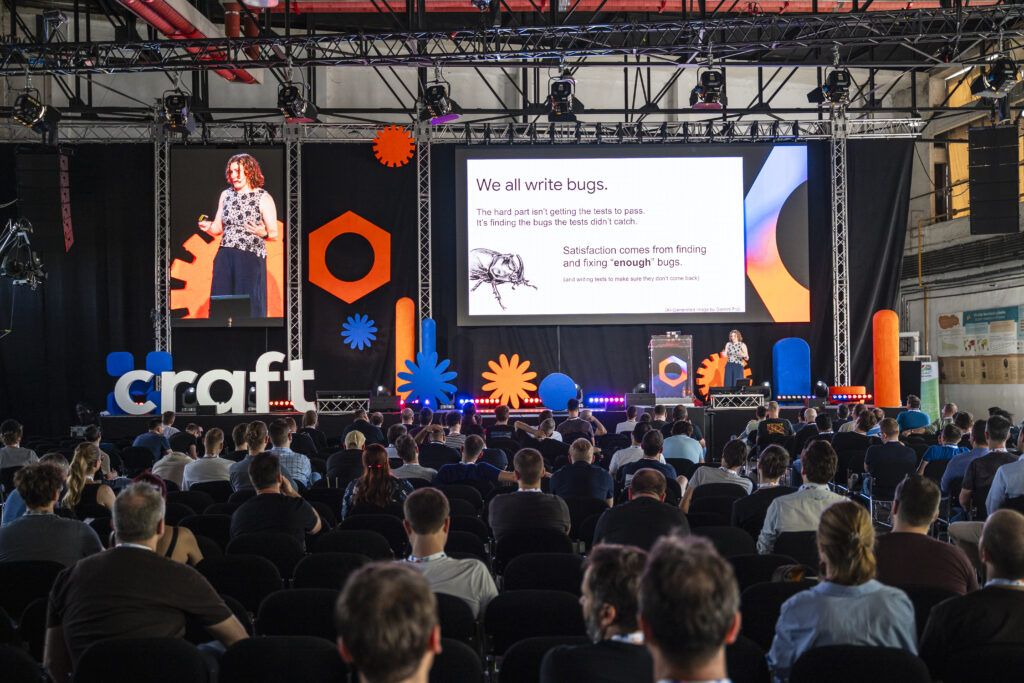
Another chapter of Craft Conference has officially come to an end, leaving a lasting impression on everyone involved. On June 4-5, Budapest once again transformed into a global tech hub as more than 2,000 software engineers and industry leaders from 60+ countries gathered at the Hungarian Railway Museum for two days of visionary talks, hands-on workshops, and meaningful networking.
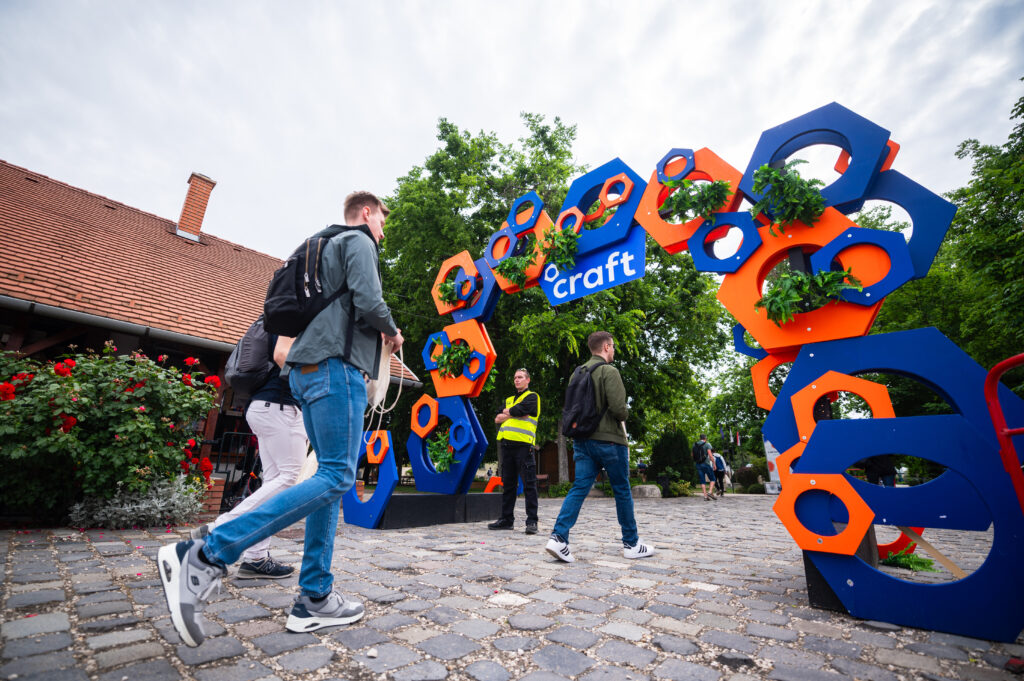
The focus of Craft Conference 2026 shifted toward a topic that is reshaping the industry: how to adapt to technological change that is accelerating in increasingly complex ways. Across the two days, attendees explored the practical challenges and opportunities that emerge as AI systems become more deeply embedded in software development and everyday work.
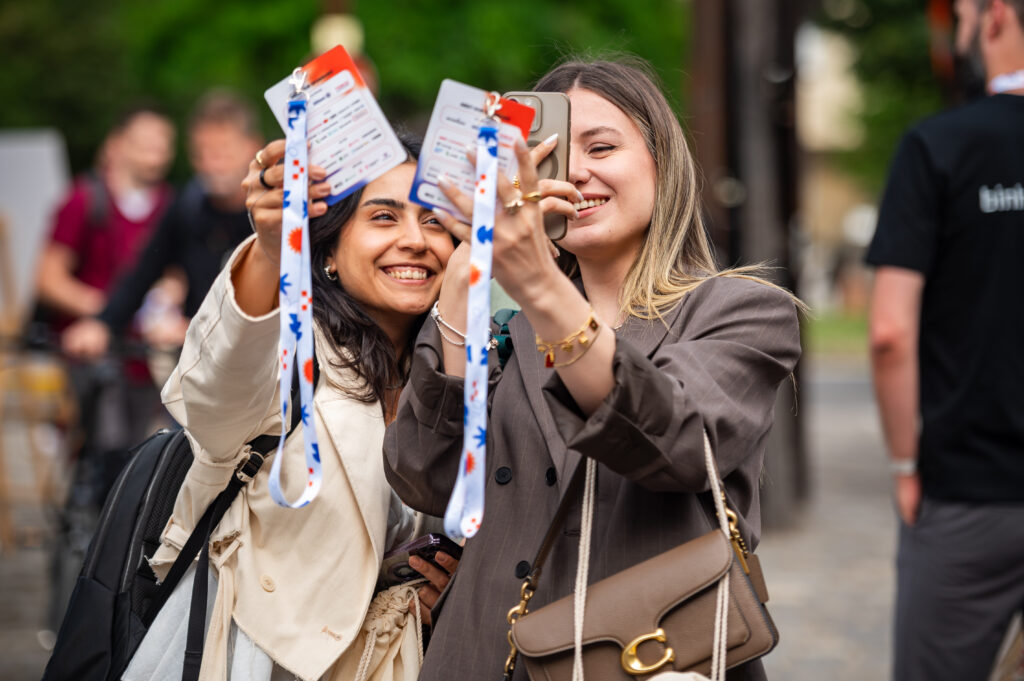
Beyond the sessions themselves, Craft offered a chance for people from different backgrounds and parts of the world to exchange ideas, share experiences, and continue conversations that extend well beyond the conference. A recurring theme throughout the program was the changing relationship between humans and intelligent systems, and what this means for teams, organizations, and the future of engineering.
Themes that shaped this year’s program
With technology evolving faster than ever, many sessions focused on the practical challenges of adapting to a changing landscape. Among the topics that surfaced repeatedly throughout the conference were:
- AI-enabled workflows, and how teams are rethinking development practices as intelligent tools become part of everyday engineering.
- Software architecture and system health, with an emphasis on maintainability and managing complexity in an era of increasingly automated code generation.
- The human side of change, including developer wellbeing, uncertainty, and the evolving role of teams and organizations during a period of significant transformation.
Voices from Across the Industry
This year’s speaker lineup brought together practitioners, researchers, and industry leaders who shared their perspectives on the challenges and opportunities facing software engineering today. Among them were:
- Kent Beck (The Critical Hire), who showed how AI-augmented development amplifies both resource-rich and resource-scarce environments, offering tips to escape scarcity.
- Gergely Orosz (The Pragmatic Engineer), who delivered a global industry assessment on actual AI productivity gains, pulling back the curtain on how Big Tech, startups, and traditional firms manage this new reality.
- Kashyap Murali (Anthropic), who provided a highly anticipated session focused on maintaining peak performance at the edge of exponential change by mastering the Claude Code ecosystem.
- Aaron Erickson (NVIDIA), who broke down the NemoClaw platform, exploring how to build reliable agentic systems where probabilistic exploration is balanced by deterministic boundaries.
- Ian Thomas (Meta), who shared data-driven insights from internal rollouts at Meta, candidly discussing massive efficiency gains alongside the unexpected bottlenecks created during automated code reviews.
- Veronica Clark (Speaker, Author, Facilitator), who addressed the human side of technological change, focusing on wellbeing, resilience, and navigating uncertainty.
Intensive Masterclasses: Turning Concepts into Execution
A standout element of the 2026 experience was the suite of immersive masterclasses designed for professionals seeking tangible blueprints ready for immediate workplace application.
On the architectural front, Neal Ford & Mark Richards led an exhaustive multi-day workshop on modern system design in the age of automation, while Gregor Hohpe facilitated a unique, screen-free analog seminar focusing on manual sketching to master abstract visualization and stakeholder communication.
Simultaneously, the automation tracks saw Robert Ranson pull back the curtain on autonomous mechanisms by building agent behavioral frameworks from scratch, while Reuven Cohen used RuVector to explore the psychology behind high-performing, interconnected engineering teams.
Anticipating What’s Next
Craft is far more than a standard tech gathering; it represents a growing global collective that becomes more resilient each year. As this year’s edition concludes, we thank everyone who joined for two days of meaningful conversations and valuable connections. We look forward to meeting again next year.